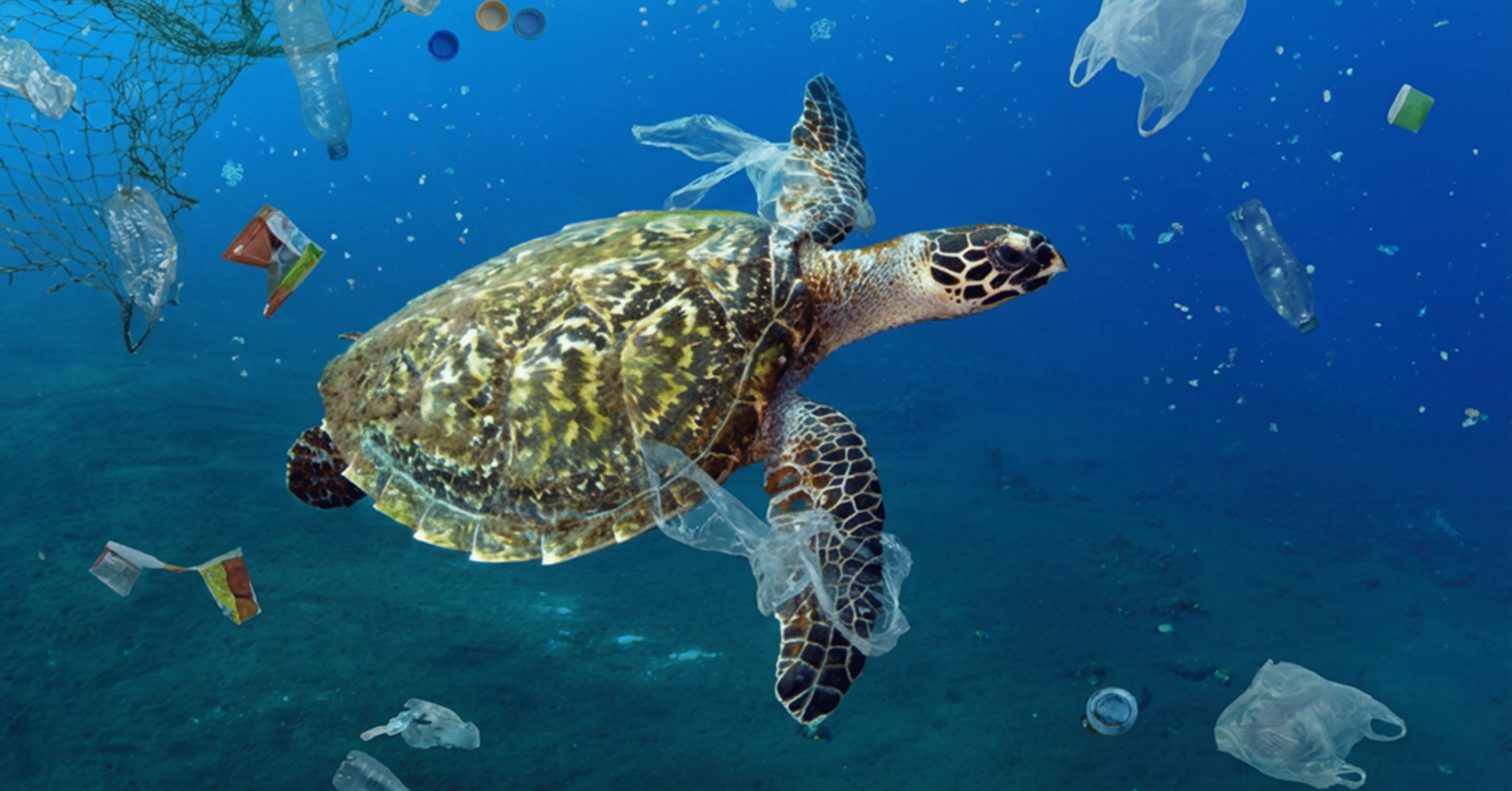
Sea turtles are incredible long-distance travelers, navigating thousands of kilometers to reach feeding, breeding, and nesting grounds. However, the impact of plastic pollution on sea turtle migration is becoming increasingly threatening. From floating plastic bags to abandoned fishing gear, ocean plastics are everywhere along these routes, creating serious hazards.
Let’s explore how plastic pollution threatens sea turtles during their long migrations, and how sustainable solutions can help protect these remarkable travelers.
How Ocean Plastic Impacts Turtles’ Health During Migration
1. Ingestion of plastic
Turtles are visual feeders that feed on shallow depths. As small debris hides where they typically feed, they often mistake floating plastics for gelatinous prey, particularly jellyfish. This leads to the primary concern of sea turtle plastic ingestion.
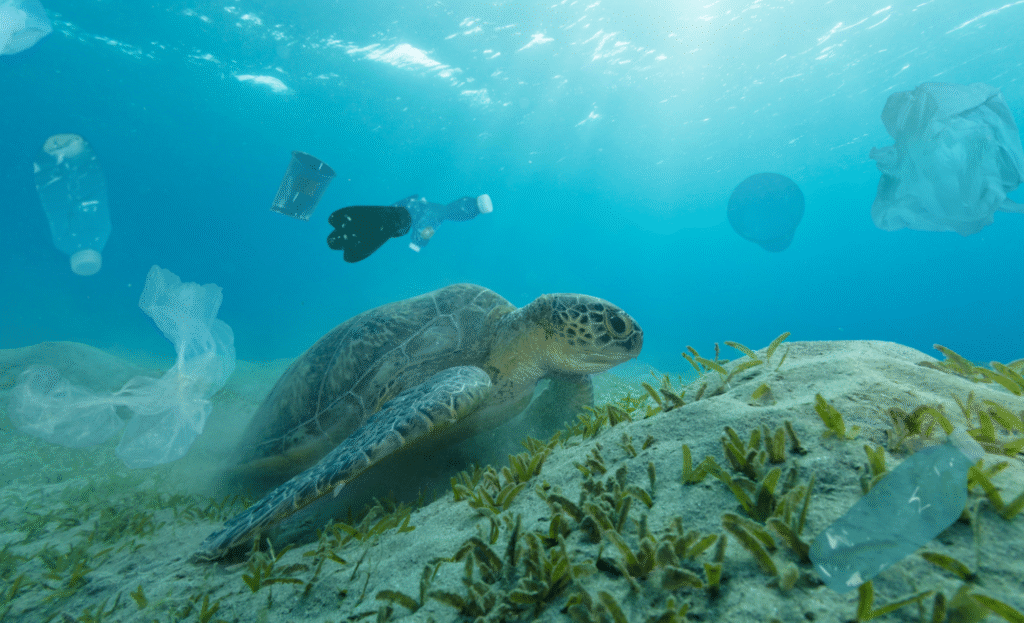
Turtles are visual feeders that feed on shallow depths. As small debris hides where they typically feed, they often mistake floating plastics for gelatinous prey, particularly jellyfish. This leads to the primary concern of sea turtle plastic ingestion.
Research shows that over half of all sea turtles have eaten plastic. Ingested debris can block digestive tracts and reduce nutrient absorption, which adds to the broader threat of plastic pollution on sea turtle migration. Internal injuries from these ingestions are especially dangerous when turtles rely on stored energy to travel thousands of kilometers.
2. Entanglement
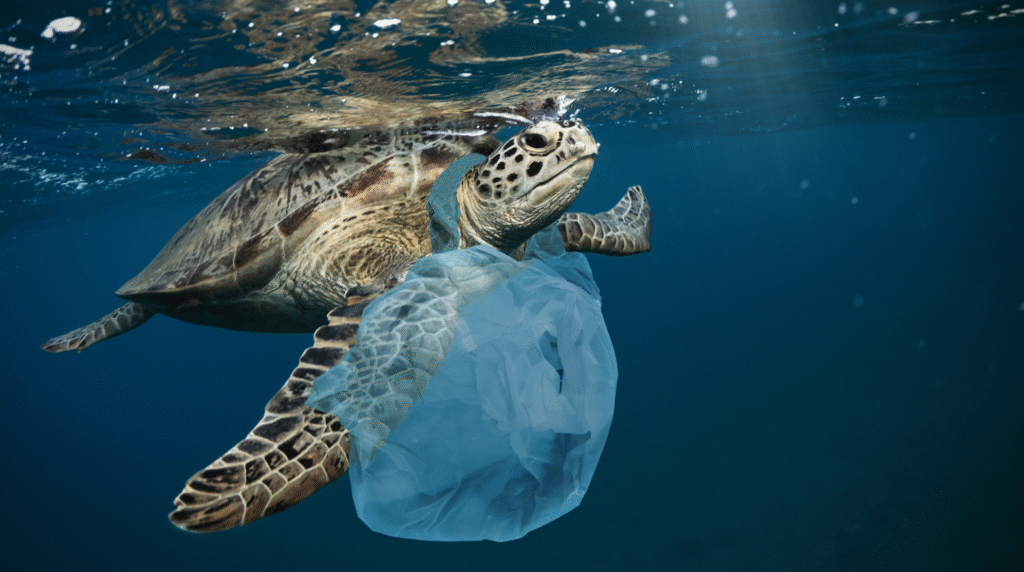
Ghost nets, packaging, and stray debris can wrap around turtles, restricting movement, causing injuries, and sometimes leading to drowning. Studies estimate that at least 1,000 sea turtles die each year from plastic entanglement. That’s one turtle every nine hours.
Restricting their movements not only harms individual turtles but also delays their breeding cycles, weakening their numbers when they’re already under stress. And that’s not exclusive to turtles. In the Central Pacific Gyre, for example, plastic debris now outnumbers plankton.
3. Altered foraging routes
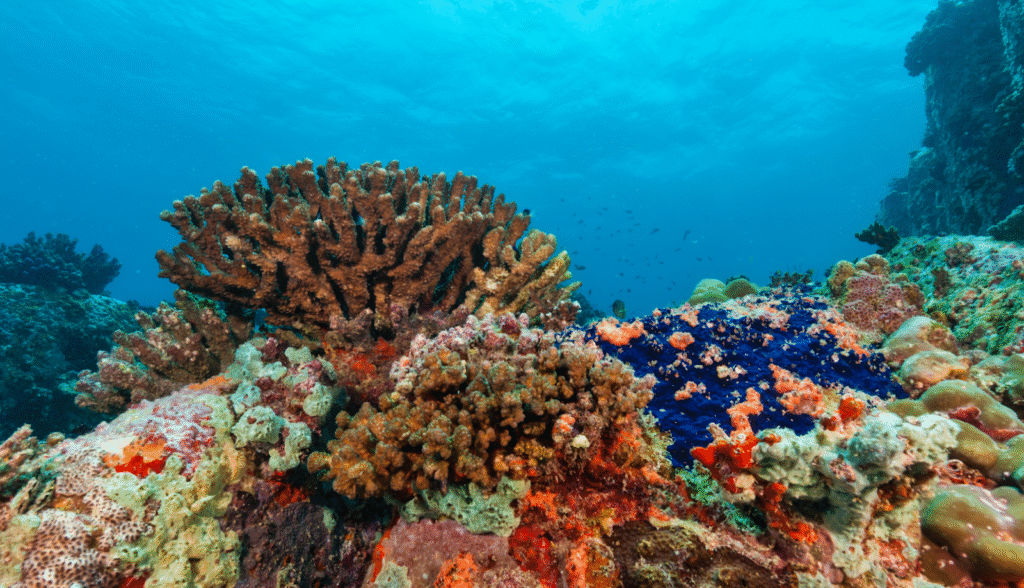
This accumulation of plastic waste affects turtle migration patterns, forcing animals to change their traditional routes and avoid polluted areas. Over time, this leads to long-term population effects, such as reduced survival rates, shortened migration ranges, overcrowding of safer corridors, and declining genetic diversity.
Protect Wildlife by Reducing Plastic at the Source with Oikos
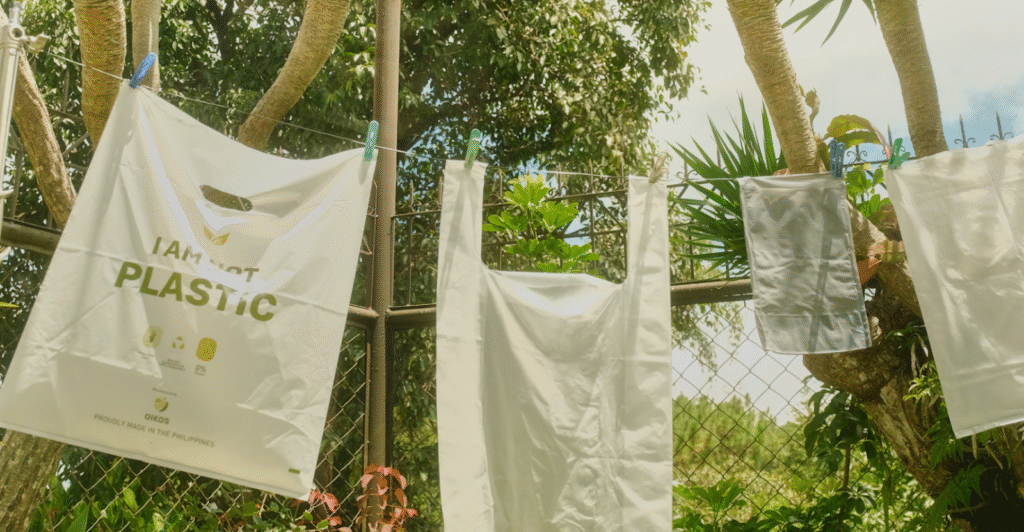
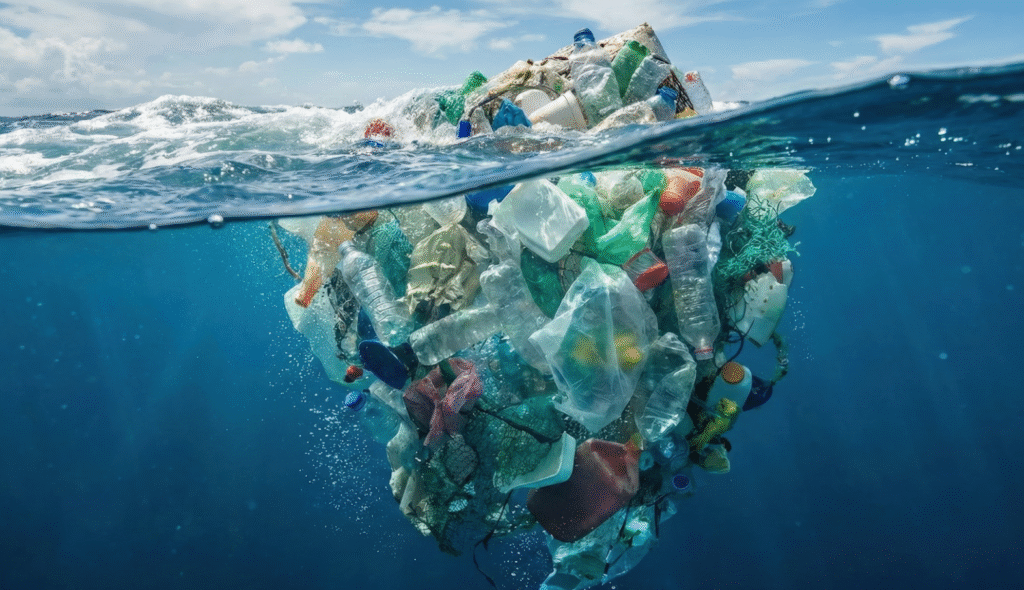
Globally, the presence of marine debris along sea turtle routes is dominated by land-based plastic sources, including packaging and single-use items, which account for 80% of ocean debris.
Protecting sea turtles requires tackling plastic pollution before it reaches the ocean. Switching to sustainable products, properly disposing of waste, and supporting eco-conscious initiatives can combat pollution effects on sea turtles and safeguard these travelers for generations to come.
At Oikos, we make greener choices more accessible, offering biodegradable bags made from cassava starch and corn starch as a sustainable alternative to plastic and paper. By partnering with us to cut down on single-use plastics, you can take an active part in preventing microplastic formation and mitigating the impact of plastic pollution on sea turtle migration. To get started, explore our range of biodegradable products and discover simple but impactful ways to reduce plastic waste in your everyday life.